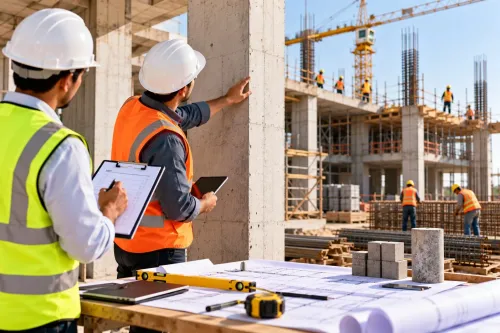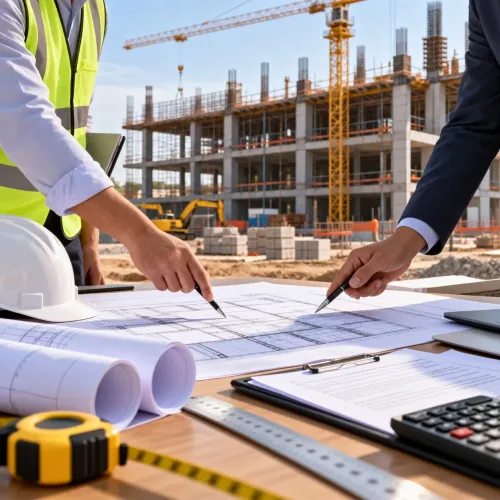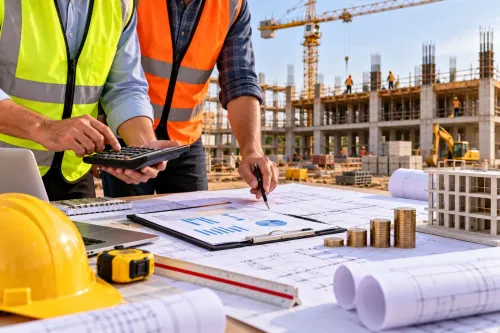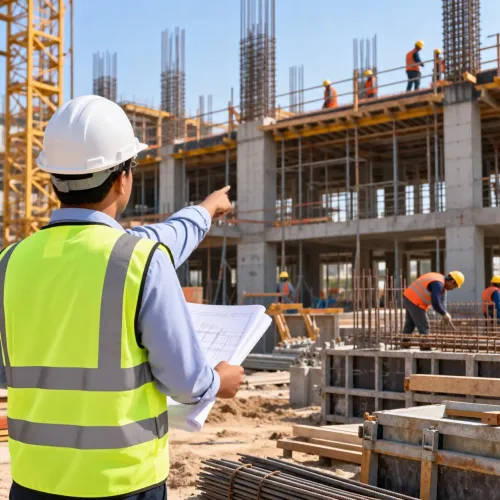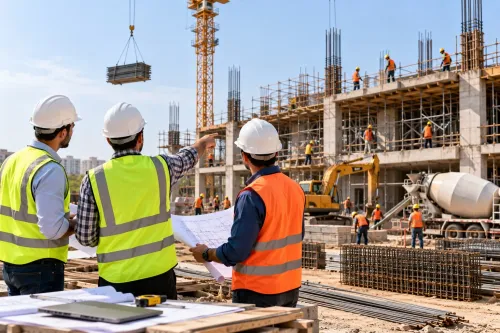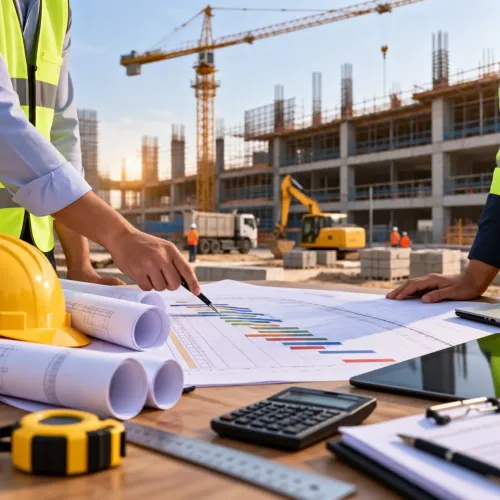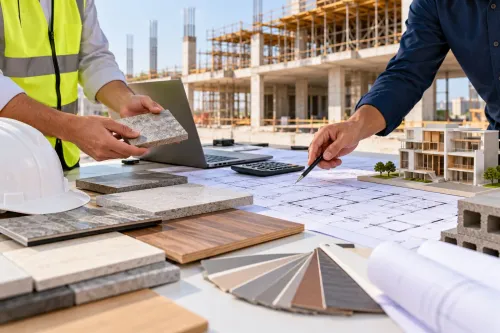
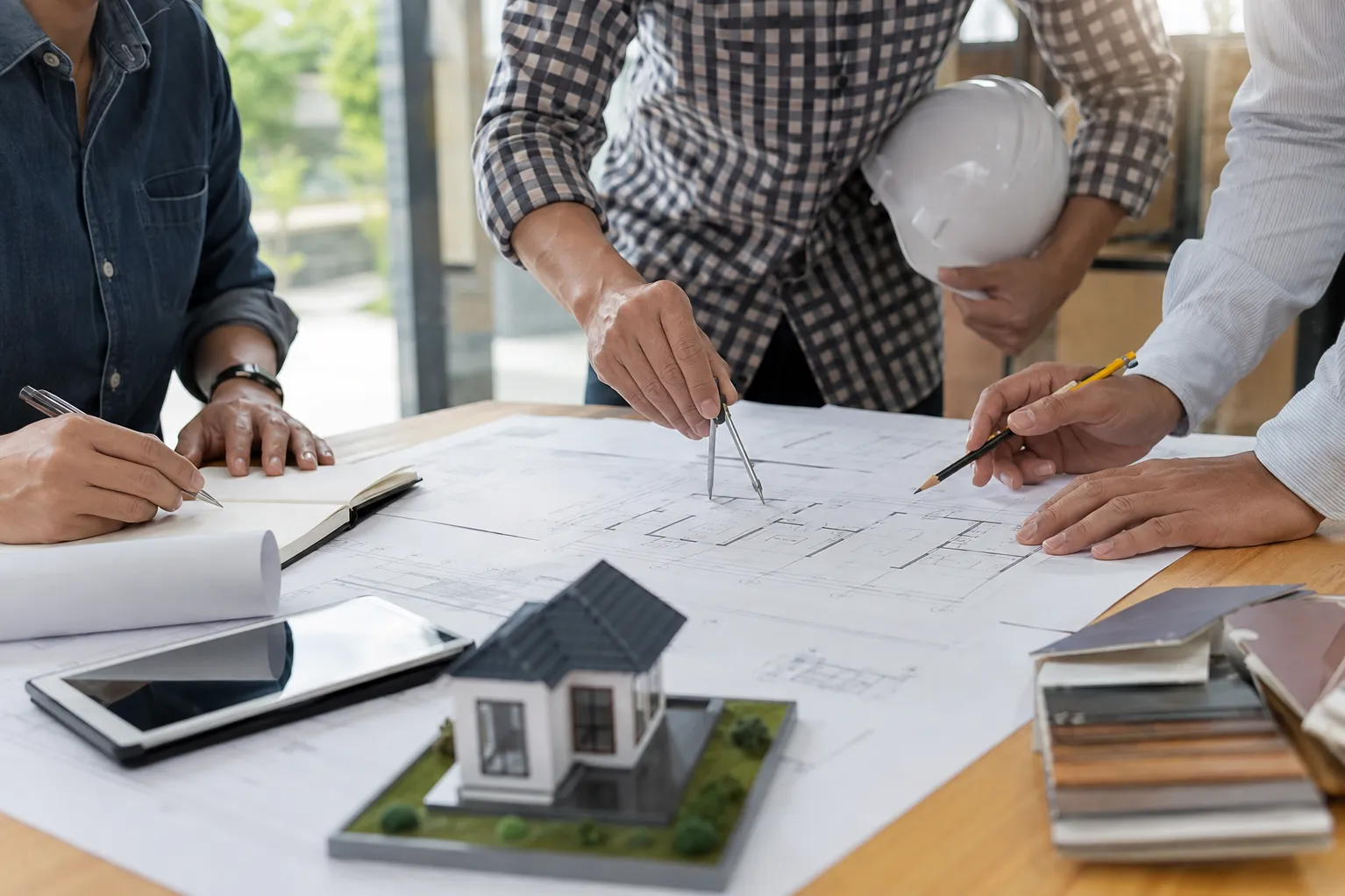
One of the first decisions homeowners make before starting construction is whether to appoint separate architects, contractors, and interior designers or choose a single company that manages everything together. Both approaches can produce excellent homes, but the right choice depends on the project's complexity, budget, and management requirements.
For families planning a new home in Paschim Vihar, Design and Build Services have become an increasingly popular option because they simplify communication while bringing planning and construction under one coordinated system.
What Makes Design and Build Different?
Under the traditional construction model, homeowners generally appoint an architect first and later hire contractors, consultants, and interior specialists separately.
With a design and build approach, these services are delivered through one integrated team that remains involved throughout the project.
This typically includes:
- Architectural planning
- Structural engineering
- Interior design
- Cost planning
- Material procurement
- Construction execution
- Site supervision
- Finishing coordination
Since these teams work together from the beginning, many design and construction decisions are resolved before site work begins.
Situations Where Design and Build Is a Good Choice
Although every project is different, this approach is particularly suitable when homeowners want better coordination throughout construction.
It works well for:
- Building a custom home from an empty plot
- Reconstructing an old house
- Developing multi-floor residences
- Creating premium interiors alongside civil work
- Completing projects within planned timelines
- Reducing coordination between multiple vendors
When one organisation is responsible for planning and execution, communication generally becomes simpler for the homeowner.
Benefits Beyond Convenience
Many people choose Design and Build Services because they prefer dealing with one project team instead of several independent contractors. However, the advantages go beyond convenience.
An integrated process can provide:
Better Design Coordination
Architects and engineers work together while the design is still being developed, reducing practical issues during construction.
More Accurate Cost Planning
Construction costs are reviewed alongside design decisions, helping homeowners understand how changes affect the project budget.
Improved Scheduling
Procurement, labour planning, and construction activities are organised around the approved design rather than being planned separately.
Faster Decision-Making
Questions related to engineering, interiors, materials, or execution can often be resolved internally without waiting for multiple consultants.
What Should You Confirm Before Signing an Agreement?
A design and build contract should clearly explain what is included in the project.
Homeowners should review:
- Architectural scope
- Engineering services
- Material specifications
- Construction inclusions
- Interior work
- Project schedule
- Payment milestones
- Variation process
- Quality inspections
- Handover procedure
The more detailed the documentation, the fewer misunderstandings are likely to occur during execution.
Is This Approach Right for Every Project?
Design and Build Services work particularly well when homeowners want a coordinated project with fewer communication gaps. However, they also require choosing an experienced company capable of managing architecture, engineering, procurement, construction, and interiors effectively.
Before making a decision, review completed residential projects, understand how quality is monitored, and ask how progress will be communicated throughout construction.
Cube Buildwell follows an integrated design and build model for residential construction, allowing homeowners to move from planning to execution through one coordinated team. This approach supports better alignment between design intent, technical execution, and project management.
Choosing Design and Build Services is not about replacing professional expertise—it is about bringing that expertise together under one structured process. When planning, engineering, procurement, and construction work as a unified system, homeowners often experience greater clarity, improved coordination, and a smoother journey towards completing their dream home.
Keywords