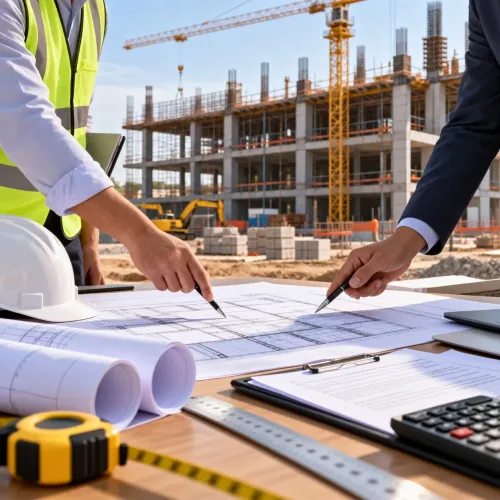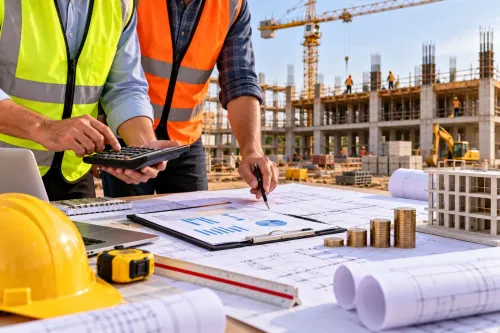
Construction cost optimization is often misunderstood as choosing the cheapest materials, reducing room sizes, or removing important features. In reality, it is the process of using the available budget intelligently while protecting safety, durability, and everyday functionality.
For a homeowner building or reconstructing a property in Janakpuri, cost control should begin during the planning stage. Once work reaches the site, many major expenses have already been influenced by the design, structural system, material specifications, and construction method.
The best savings usually come from avoiding waste, rework, delays, and poorly planned decisions.
Begin With a Realistic Project Budget
A construction budget should cover more than the visible civil work. Homeowners often calculate the cost of bricks, cement, steel, and labour but overlook several supporting expenses.
A realistic estimate may include:
- Architectural and engineering services
- Demolition and site preparation
- Structural construction
- Electrical systems
- Plumbing and drainage
- Waterproofing
- Flooring and wall finishes
- Doors and windows
- Kitchen and wardrobe work
- Lighting and fixtures
- Temporary site requirements
- Approval-related expenses
- Contingency provision
Separating essential work from optional upgrades makes budgeting clearer.
Structural safety, waterproofing, plumbing, and electrical systems should remain priorities. Decorative features can be adjusted more easily if the budget becomes tight.
Freeze the Layout Before Construction
Frequent changes are among the biggest causes of residential cost overruns. Moving a wall after masonry begins affects labour, materials, electrical points, flooring, and sometimes structural planning.
A room layout should be reviewed for:
- Furniture placement
- Storage requirements
- Natural light
- Ventilation
- Bathroom usability
- Kitchen workflow
- Electrical points
- Future family needs
Making these decisions on drawings is far less expensive than correcting them at the site.
Three-dimensional views can help homeowners understand important spaces, but practical planning should come before decoration. A visually attractive design is not useful if circulation is poor or storage is inadequate.
Choose Materials Based on Performance
The lowest purchase price does not always produce the lowest long-term cost. A poor-quality plumbing fitting may require wall tiles to be removed later. Weak waterproofing can damage paint, flooring, ceilings, and furniture.
Materials should be evaluated according to:
- Expected life
- Maintenance needs
- Availability of replacement
- Suitability for the application
- Installation requirements
- Warranty support
Premium products are not required in every area. A balanced specification can combine durable materials for high-risk applications with economical options for low-impact surfaces.
For example, investing in reliable waterproofing is more important than selecting the most expensive decorative tile. Similarly, good electrical wiring and protection devices matter more than fashionable switch plates.
Reduce Waste Through Accurate Planning
Material wastage is not always visible in the final home, but it has a direct effect on cost.
Waste can be reduced by:
- Preparing accurate quantity estimates
- Ordering materials according to the work schedule
- Storing products correctly
- Checking measurements before cutting
- Reusing suitable leftover materials
- Monitoring cement, steel, tile, and paint consumption
- Avoiding excessive breakage during handling
Tiles, stone, wood, and fabricated items require particular attention because incorrect measurements can create costly waste.
Control the Cost of Delays
A delayed project may increase labour charges, equipment rentals, supervision costs, and temporary living expenses. It may also expose the homeowner to material price changes.
A practical project schedule should consider procurement lead times, labour availability, weather conditions, drying periods, and inspection requirements.
Rushing is not the solution. Some construction activities require proper curing, drying, or testing. Cost optimization means eliminating avoidable delays without compromising necessary technical processes.
Track Every Change in Writing
Homeowners often approve small additions during construction without understanding their combined financial effect. Extra electrical points, upgraded fixtures, design modifications, and new storage units can gradually push the project beyond its original budget.
Every change should record:
- What is being changed
- Why it is required
- Additional cost
- Effect on the timeline
- Approval before execution
Cube Buildwell integrates cost planning with architecture, construction, and interior execution. This coordinated approach supports more informed decisions because design choices can be reviewed alongside their construction impact.
Good construction cost optimization is not about making a home look inexpensive. It is about directing money toward the parts of the building that improve safety, comfort, durability, and long-term value.
Keywords