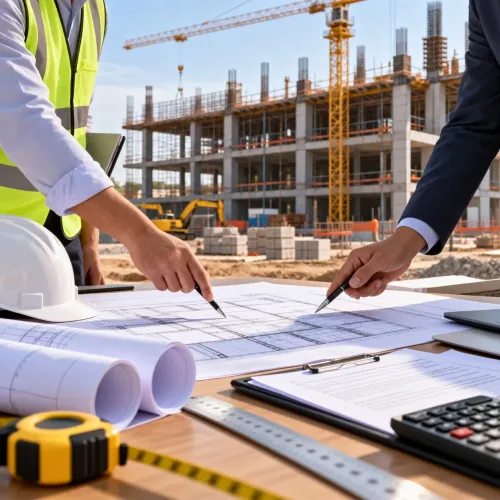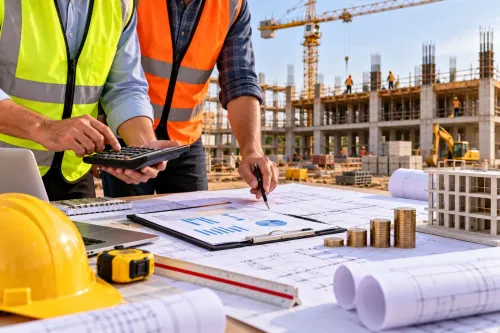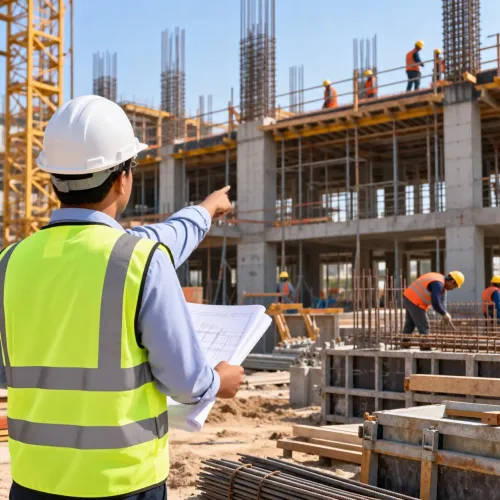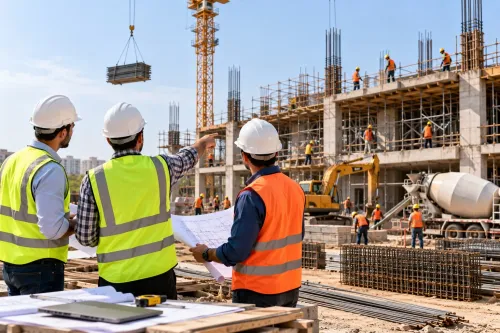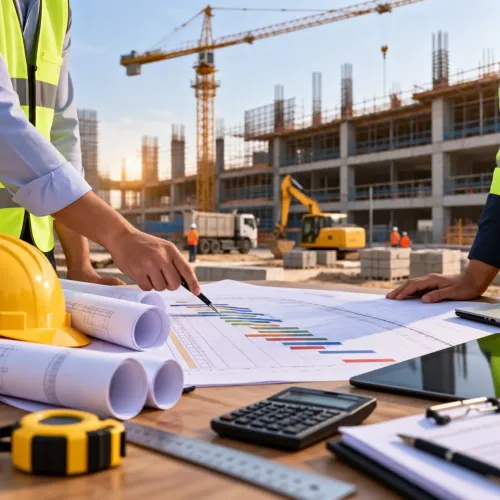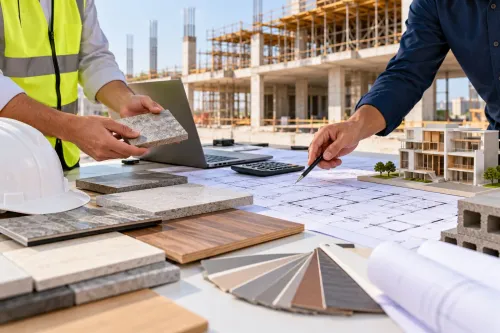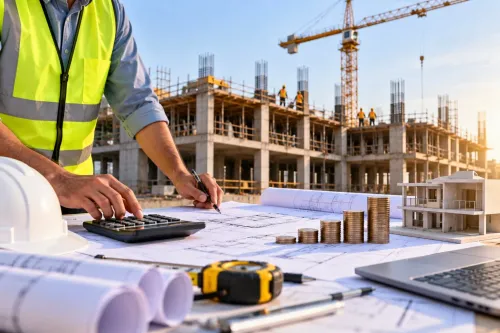
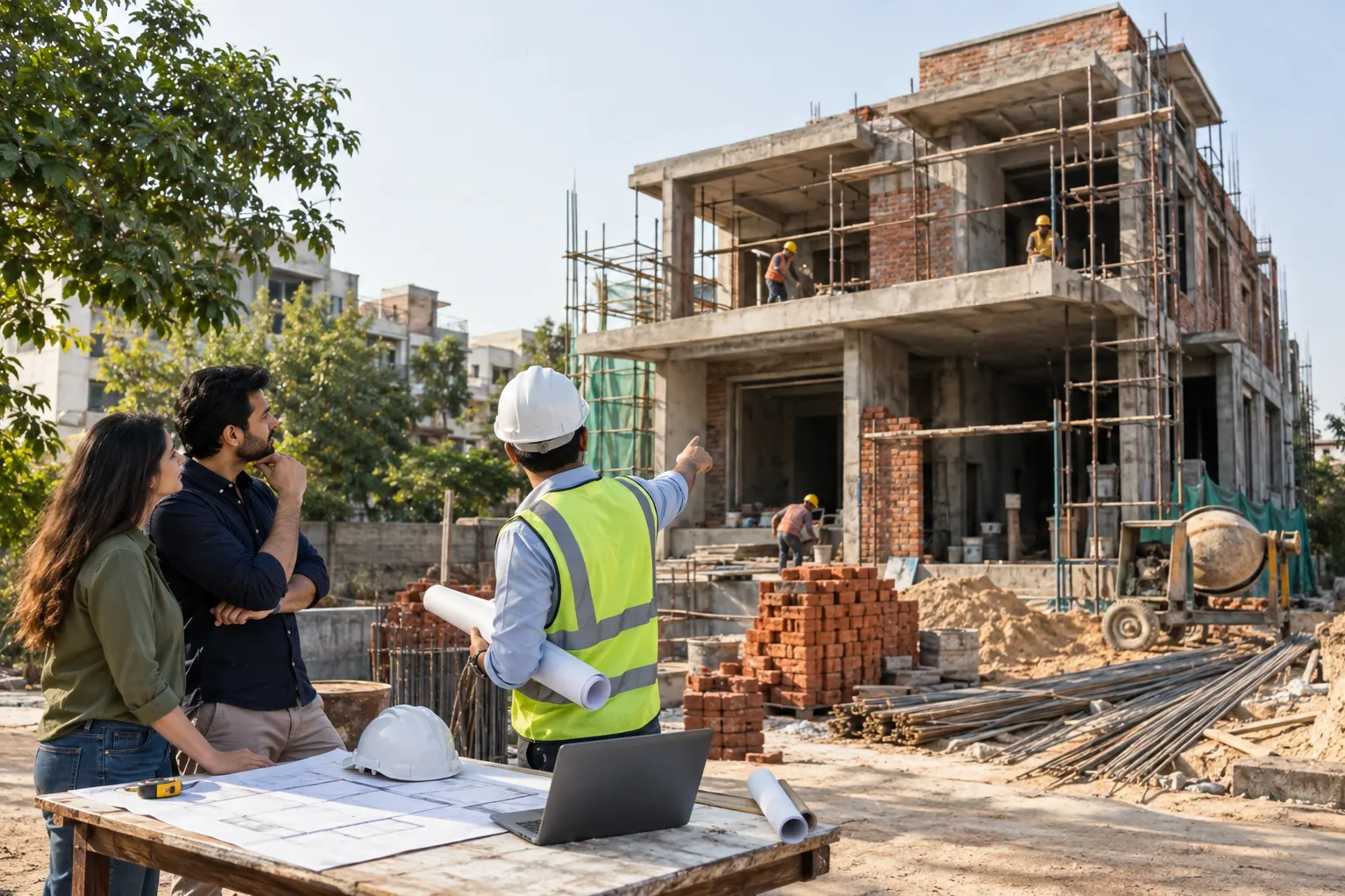
Every homeowner wants a construction project to finish on time, but very few understand what actually keeps a residential project moving according to schedule. Delays are often blamed on labour shortages or weather conditions, yet in many cases the real cause is poor planning, late decisions, or inadequate coordination between different teams.
Construction time management is the process of planning, monitoring, and controlling every stage of a project so that work progresses in the right order without unnecessary interruptions. For homeowners planning to build a house in Punjabi Bagh, understanding how construction timelines are managed can help set realistic expectations and prevent avoidable delays.
Why Residential Projects Get Delayed
Home construction is a sequence of interconnected activities. One task cannot begin until another has been completed correctly. If the structural framework is delayed, masonry cannot begin. If electrical conduits are not installed before plastering, finished walls may need to be broken later.
Some of the most common reasons for project delays include:
- Frequent design revisions after construction begins
- Late approval of material selections
- Poor coordination between contractors
- Delayed material procurement
- Incomplete construction drawings
- Unplanned site conditions
- Labour scheduling issues
- Inadequate site supervision
While some challenges cannot be avoided completely, many delays can be prevented through proper planning.
What Effective Construction Time Management Looks Like
A professionally managed project does not rely on rough estimates such as 'the work should finish in a few months.' Instead, every stage is scheduled before construction starts.
A typical residential timeline may include:
- Site preparation and layout
- Foundation work
- Structural framework
- Brickwork and masonry
- Electrical and plumbing rough-ins
- Plastering
- Waterproofing
- Flooring
- False ceiling and carpentry
- Painting
- Interior installation
- Final inspection and handover
Each stage has defined start and completion targets. This allows the project team to identify delays early rather than waiting until the final completion date approaches.
How Homeowners Can Help Keep the Project on Schedule
Construction is a collaborative process. Even with experienced professionals managing the work, homeowners play an important role in maintaining progress.
Simple practices that make a significant difference include:
- Finalise architectural drawings before construction starts.
- Approve material selections early.
- Respond quickly to clarification requests.
- Avoid unnecessary design changes after execution begins.
- Review progress reports regularly.
Timely decisions reduce interruptions and allow contractors to continue work without waiting for approvals.
Why Coordination Matters More Than Speed
Many people believe a project finishes faster simply by increasing the number of workers. In reality, productivity depends more on coordination than manpower.
For example, flooring cannot begin until plumbing pressure tests are complete. Interior carpentry measurements cannot be finalised before wall finishes are ready. If these activities are not properly sequenced, additional labour will not improve progress.
Professional construction management focuses on completing the right work at the right time rather than rushing multiple activities simultaneously.
Questions to Ask Before Hiring a Construction Partner
Before appointing a company, homeowners should understand how project timelines are planned and monitored.
Useful questions include:
- Will I receive a detailed construction schedule?
- How are delays reported?
- Who coordinates subcontractors?
- How often is site progress reviewed?
- What happens if design changes are requested during construction?
Clear answers to these questions indicate a structured project management process rather than an informal approach.
Cube Buildwell integrates architectural planning, engineering, construction, and project coordination through a single execution model. This enables the team to align design decisions, procurement, site activities, and finishing work more effectively throughout the construction lifecycle.
Construction time management is not about rushing a project to completion. It is about ensuring that every stage happens in the correct sequence with proper planning, quality checks, and continuous coordination. When time is managed well, homeowners benefit from a smoother construction experience and greater confidence throughout the building journey.
Keywords