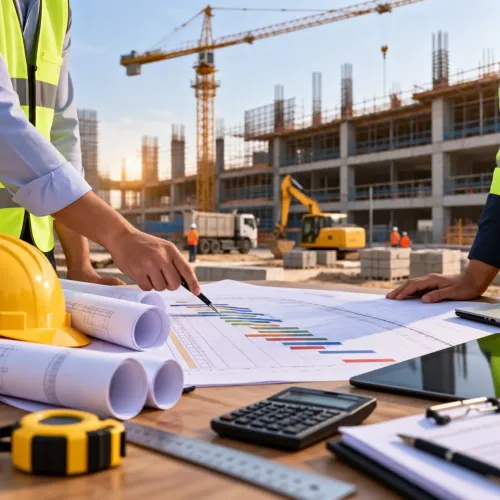
Building a home requires much more than construction work. Every project depends on careful planning, timely material procurement, technical coordination, skilled execution, and continuous supervision. Managing these responsibilities separately can become overwhelming for homeowners, especially during large residential projects.
Engineering Procurement Construction (EPC) is a structured project delivery model that combines these essential functions under one coordinated framework. For homeowners in Vikaspuri, understanding how EPC works can help when comparing different approaches to residential construction.
What Does Engineering Procurement Construction Mean?
An EPC model brings together three major responsibilities:
Engineering involves architectural planning, structural design, technical drawings, and engineering coordination.
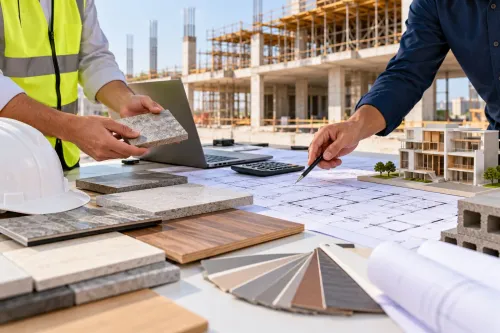
Procurement covers sourcing construction materials, selecting suppliers, verifying product quality, and managing deliveries.
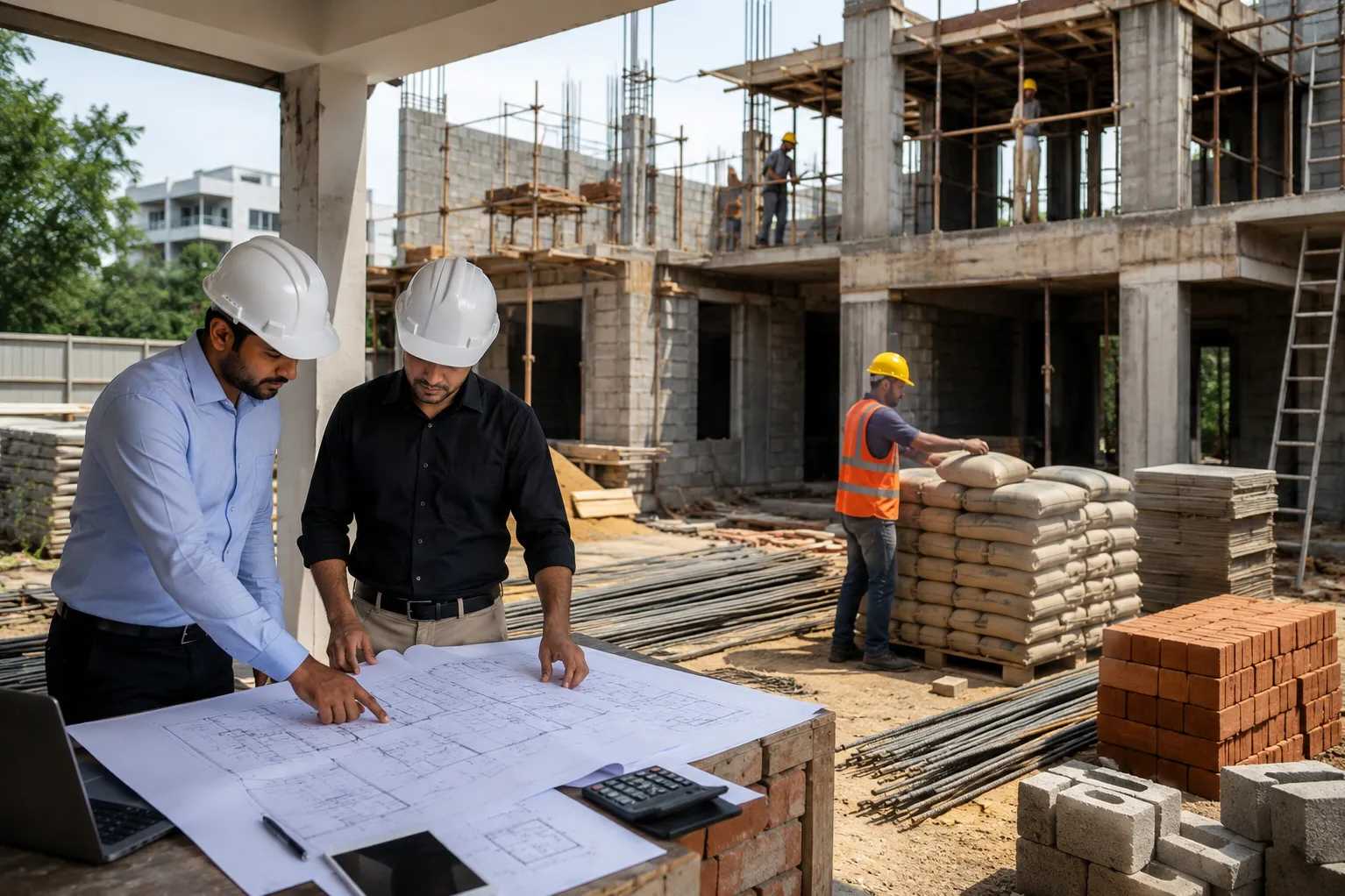
Construction includes on-site execution, labour management, quality inspections, finishing work, and project completion.
Instead of treating these stages as separate activities, EPC connects them into one organised workflow.
Why Coordination Is Important
Every residential project depends on accurate communication between multiple professionals.
Architects prepare layouts.
Structural engineers develop the building framework.
Procurement teams arrange materials.
Site engineers coordinate daily activities.
Interior specialists complete the finishing work.
If these teams work independently without proper coordination, homeowners may experience delays, duplicated work, budget variations, or construction conflicts.
An EPC approach reduces these risks by improving collaboration from the beginning of the project.
Benefits of Engineering Procurement Construction
A coordinated project delivery model offers several practical advantages.
Better Planning
Construction schedules are developed alongside material procurement and engineering requirements, reducing interruptions during execution.
Improved Material Management
Materials are ordered according to the construction sequence, helping minimise storage issues and unnecessary wastage.
Clear Project Responsibility
Instead of communicating with multiple contractors, homeowners interact with a central project management team responsible for overall coordination.
Consistent Quality
Engineering decisions, procurement standards, and construction practices remain aligned throughout the project, reducing inconsistencies between design and execution.
Better Budget Visibility
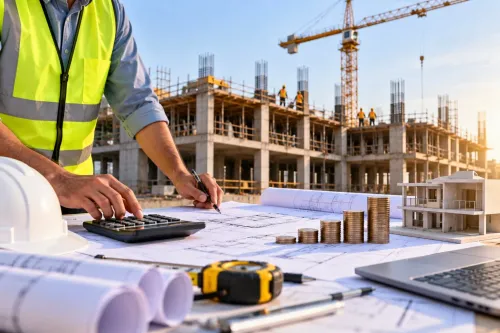
Since planning, procurement, and construction are connected, homeowners receive a clearer understanding of how design choices influence overall project costs.
Is EPC Suitable for Residential Homes?
Many people associate EPC only with industrial or commercial developments, but it is increasingly being adopted for premium residential construction as well.
It can be particularly beneficial for:
- Independent houses
- Luxury villas
- Multi-storey residences
- Complete home reconstruction
- Turnkey residential developments
- Large renovation projects
The model works especially well for homeowners who prefer organised project coordination rather than managing several contractors independently.
What Should Homeowners Evaluate?
Before selecting an EPC-based construction company, it is important to understand how the project will be managed.
Key points to discuss include:
- Scope of engineering services
- Material procurement process
- Construction supervision
- Project scheduling
- Quality management
- Cost reporting
- Communication methods
- Final handover procedure
A transparent discussion at the beginning helps establish realistic expectations for both the homeowner and the project team.
Why Integration Matters
Residential construction is most successful when design decisions, engineering requirements, procurement planning, and site execution support one another.
Cube Buildwell integrates these disciplines within its residential construction process, enabling homeowners to experience a more organised project from planning through completion. Rather than treating engineering, procurement, and construction as separate services, the company coordinates them as interconnected parts of one delivery system.
Engineering Procurement Construction is not simply another construction model. It is a structured method of managing complexity. When every stage is planned, coordinated, and monitored together, homeowners gain better visibility, stronger quality control, and a smoother path from architectural drawings to a completed home.
Keywords