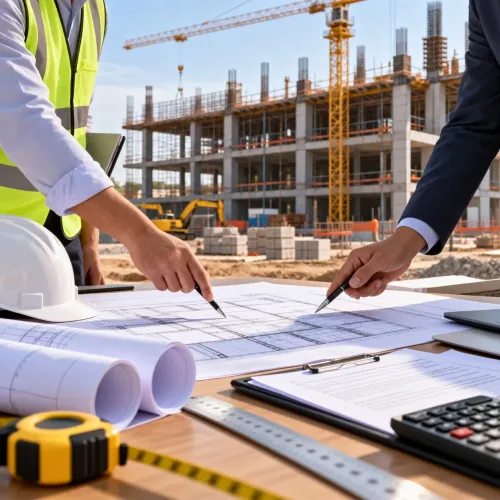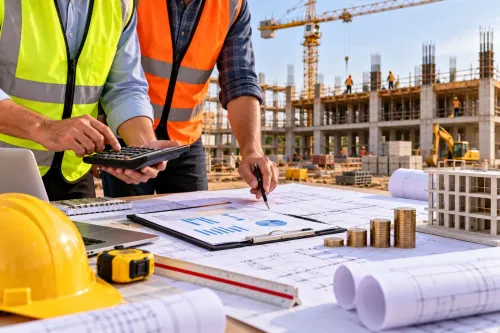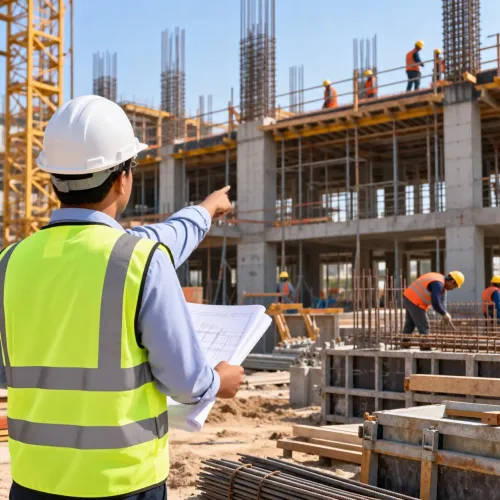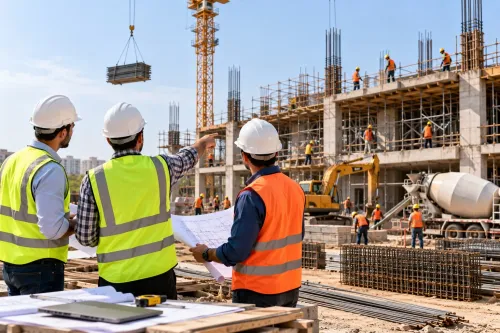
Residential construction involves much more than building walls and laying floors. Every stage depends on multiple teams working together at the right time with the right information. Architects, engineers, electricians, plumbers, carpenters, painters, fabricators, and interior specialists all contribute to the final outcome.
Without proper Site Management and Coordination, even experienced professionals can face delays, conflicting work schedules, material shortages, or costly rework.
For homeowners planning to build or renovate a home in Vikaspuri, understanding the importance of coordinated site management can help them choose a construction company capable of delivering an organised and well-executed project.
What Is Site Management and Coordination?
Site management refers to the planning, supervision, and coordination of daily construction activities.
Its objective is to ensure that every stage of the project progresses according to the approved design, construction schedule, quality standards, and budget.
Effective site management generally includes:
- Daily work planning
- Labour coordination
- Material scheduling
- Progress monitoring
- Quality inspections
- Safety supervision
- Communication between contractors
- Resolution of technical issues
Rather than reacting to problems after they occur, good site management works to prevent them through continuous planning and communication.
Why Coordination Is Essential During Home Construction
Every construction activity depends on another.
Electrical conduits must be installed before plastering.
Waterproofing should be completed before flooring.
Ceiling framing must consider lighting layouts.
Interior furniture measurements should follow finished wall dimensions.
If these activities are not properly coordinated, completed work may require modification, resulting in additional costs and delays.
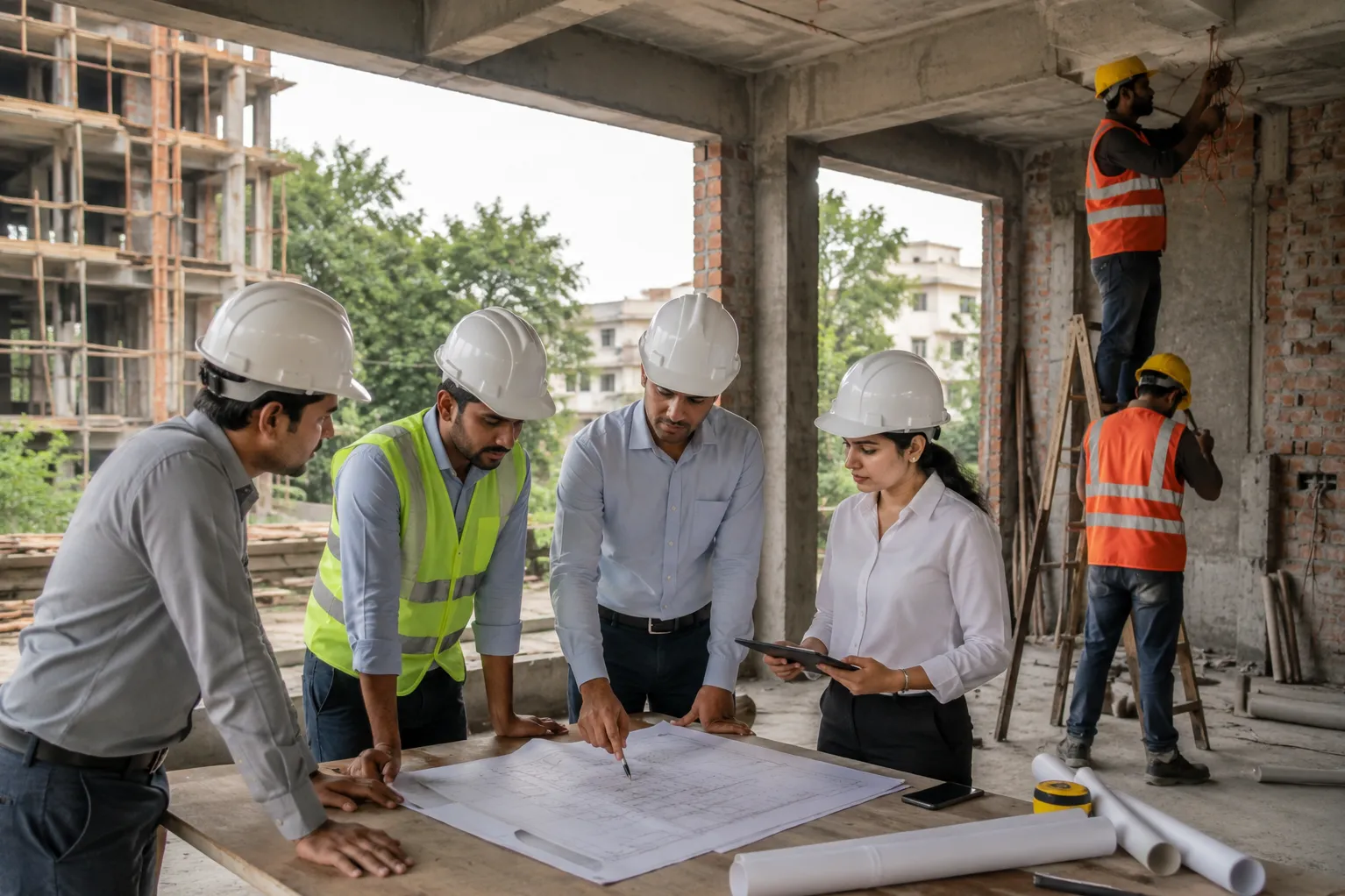
A coordinated site team ensures that each trade understands when to begin work and when the next activity can safely proceed.
Signs of Well-Managed Construction
Homeowners may not visit the site every day, but certain indicators show whether a project is being managed professionally.
Look for:
- Clearly organised work areas
- Timely material availability
- Defined construction schedules
- Regular quality inspections
- Accurate progress updates
- Minimal rework
- Good communication between site teams
These signs often reflect disciplined planning behind the scenes.
Questions Homeowners Should Ask
Before appointing a construction company, it is helpful to understand how site activities are managed.
Important questions include:
- Who will supervise the project daily?
- How are contractors coordinated?
- How frequently are progress reviews conducted?
- How are construction delays addressed?
- What quality checks are performed before each stage is approved?
These discussions provide valuable insight into the company's operational processes.
The Role of Technology in Site Coordination
Modern residential construction increasingly relies on digital tools for project management.
Construction teams may use:
- Digital progress reports
- Site photographs
- Activity schedules
- Material tracking systems
- Inspection checklists
- Document sharing platforms
These tools improve communication between homeowners, project managers, architects, and engineers while creating better visibility throughout construction.
Choosing a Construction Partner With Strong Coordination
Good site coordination is not achieved through experience alone. It requires planning, communication, technical knowledge, and disciplined execution.
Cube Buildwell brings architecture, engineering, procurement, construction, and interior execution together through an integrated project management approach. By coordinating multiple disciplines within one workflow, the company helps reduce communication gaps and improve overall project efficiency.
Site Management and Coordination often remain unnoticed when everything runs smoothly, yet they are among the most important factors behind a successful residential project. When every team works towards a shared plan, homeowners benefit from better quality, improved timelines, and a construction experience that is far more organised from start to finish.
Keywords